Core Logic of Buffered Vinegar Powder in Meat Preservation
1. Industry Challenges
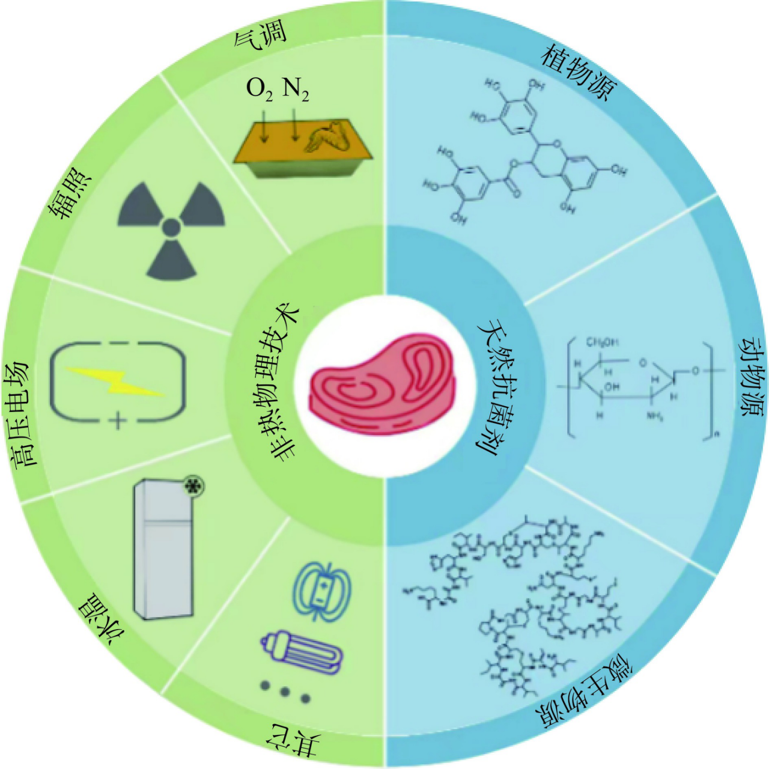
Under the clean‑label trend, chemical preservatives (e.g., sodium benzoate, potassium sorbate) are increasingly restricted or banned, and consumers reject them. Most natural alternatives either lack sufficient antimicrobial power for long shelf life and cold‑chain fluctuations, or they significantly alter the meat’s original flavor.
2. Unique Advantages of Buffered Vinegar Powder
Unlike ordinary vinegar powder, buffered vinegar powder has a mild fermented note, no sharp acidity, and low volatility. It provides long‑lasting antimicrobial action while only removing undesirable odors – without masking meat aroma or leaving a sour aftertaste.
Three core functions:
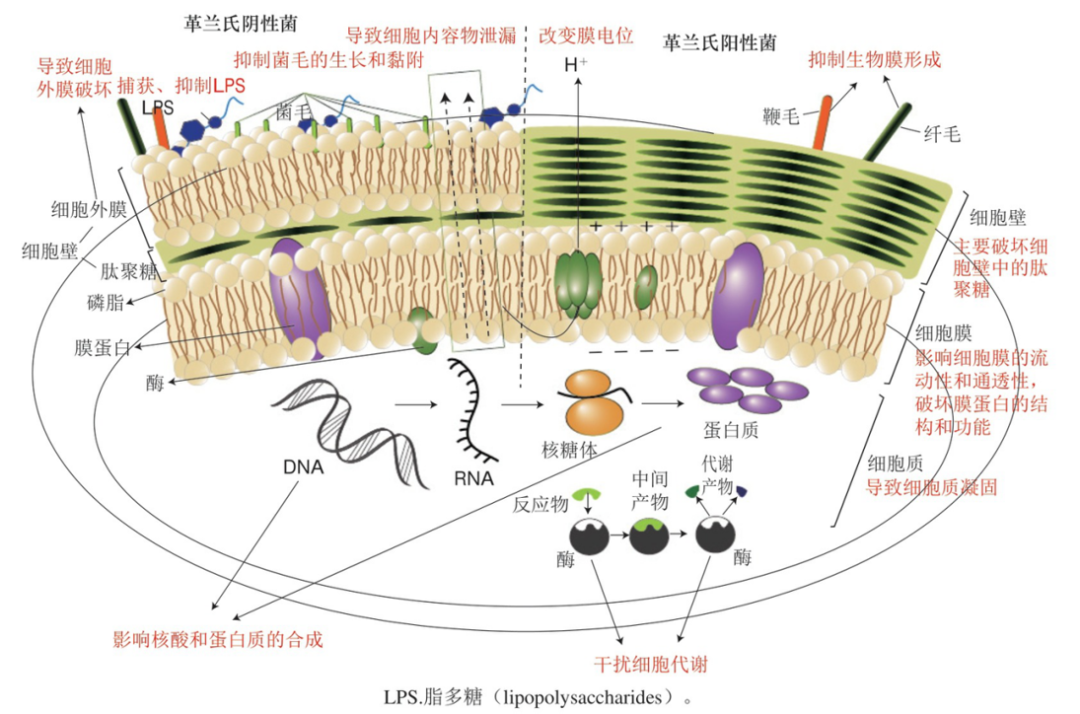
– Targeted antimicrobial effect– Effectively inhibits Listeria, Salmonella, spoilage yeasts, lactic acid bacteria, and Bacillus. Its pH‑buffering mechanism ensures stable performance even under cold‑chain variations and repeated freeze‑thaw cycles.
– Color and flavor protection – Stabilizes myoglobin to prevent oxidation and discoloration; suppresses bloodiness, gamey notes, stale cold‑storage odors, and rancidity; cuts through greasiness to enhance the meat’s natural savory taste.
– Natural compliance – Not a chemical preservative; the ingredient list simply shows “brewed vinegar / vinegar powder”, meeting clean‑label standards for retail, premium prepared dishes, and export.
3. Recommended Dosage and Application
– General dosage (based on meat weight): 0.1% – 0.3%; for long‑shelf‑life or cold‑chain‑sensitive products, up to 0.35%. Do not exceed 0.5%, as it will cause sourness.
– Flavor‑based adjustments:
– Heavy flavors (five‑spice, spicy, smoked, braised): 0.25% – 0.3% – effectively deodorizes and prevents rancidity, with no perceptible acidity.
– Light flavors (plain fresh meat, children’s meat paste): 0.1% – 0.25% – targets pathogens only, leaving no sour residue.
– Sweet flavors (honey‑glazed, char siu): 0.08% – 0.25% – can be combined with honey or caramel to neutralize the faint acidity.
– Incorporation methods:
– Dry blending (preferred): Premix with salt, sugar, and spices, then add to minced meat for even distribution and stability.
– Injection marinating (for steaks, cured meats): Dissolve in 30–40°C warm water, use as brine for uniform pH and antimicrobial coverage.
– Frozen fillings (dumplings, buns): Add during the mid‑to‑late mixing stage to avoid prolonged high‑temperature agitation that may volatilize active components.
4. Synergistic Blends for Better Results
Single ingredients have limited efficacy; scientific combinations improve performance.
– Recommended gold blend: buffered vinegar powder + Sodium D‑isoascorbate + Rosemary extract / Tea polyphenols → synergistic antimicrobial and antioxidant effects, reducing vinegar powder dosage and yielding a cleaner flavor.
– Basic synergy: Combine with salt – salt enhances antimicrobial activity, further lowering the required amount.
5. Flavor Compatibility
– Highly compatible: Spicy, hot, smoked, savory meat fillings, and braised cooked meats.
– Use cautiously or at low levels: Fully sweet or milk‑based products, where flavor conflicts may occur.
6. Compliance Essentials
– Maintain finished product pH at 4.0 – 4.5 for optimal antimicrobial activity.
– Under GB 19295 (frozen dough products), fermented vinegar powder is permitted as a seasoning. For standard -18°C cold‑chain products, as low as 0.1% provides baseline protection; for products with frequent temperature fluctuations, do not exceed 0.5%.
– Storage: Keep in sealed, dry conditions to prevent clumping. Label as “brewed vinegar / vinegar powder” – a genuine clean label suitable for premium and export markets.
7. Conclusion
With its natural origin, mild flavor, stable antimicrobial action, and broad applicability, buffered vinegar powder effectively addresses preservation, color protection, and flavor challenges in prepared meats, frozen meats, and braised products. It stands as a compelling solution for clean‑label upgrades in the meat industry.
Free
sample
